
Northern white-breasted hedgehog
Erinaceus roumanicus
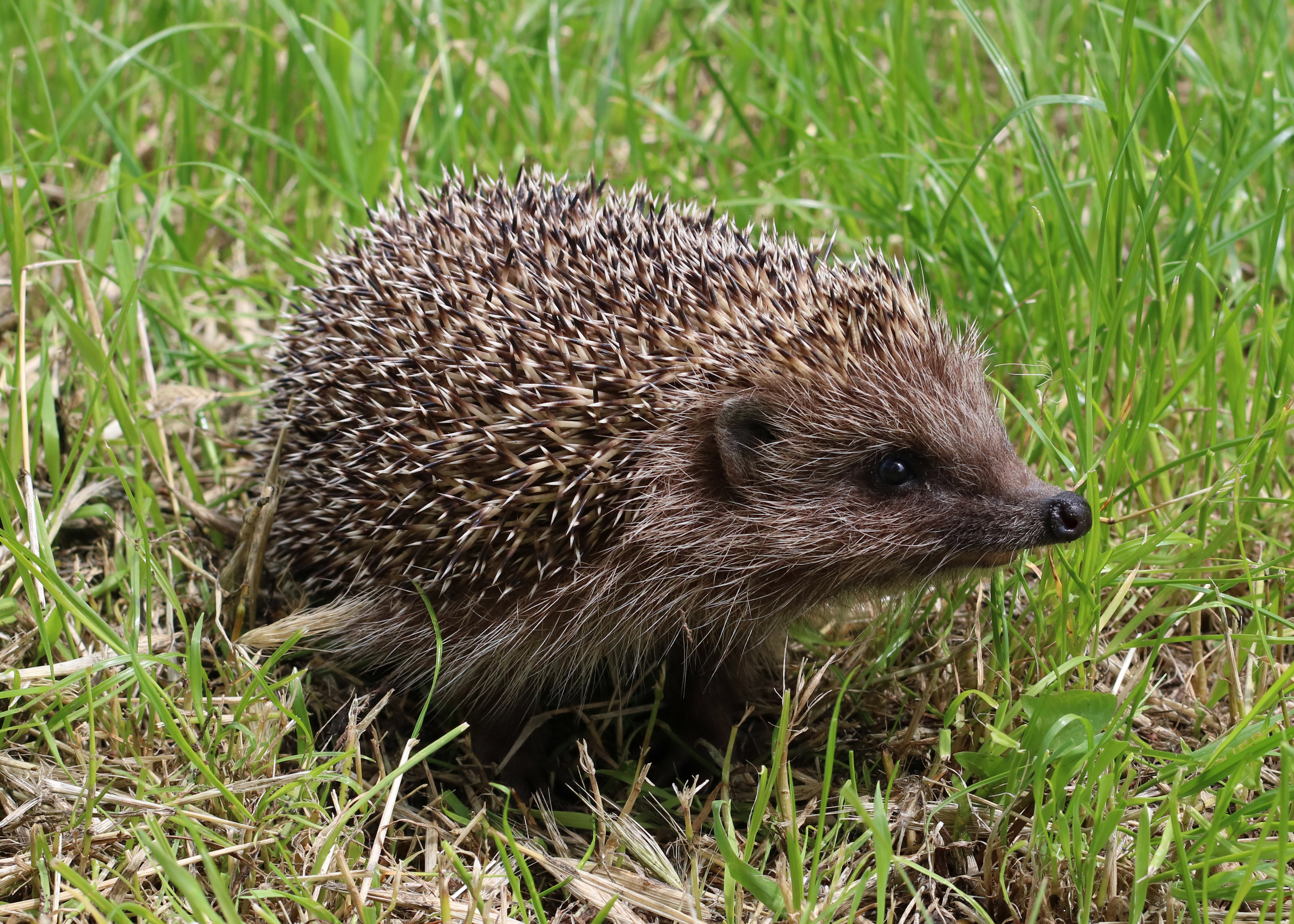
Formally recognised as a separate species in 1998 after genetic studies split it from E. europaeus. It has a distinctive white chest patch that separates it from its European cousin. It is the dominant hedgehog species in much of Eastern Europe.
- NE
- DD
- LCCurrent status: Least Concern
- NT
- VU
- EN
- CR
- RE
- EW
- EX
Current status: Least Concern
What does this mean?
The assessment found a lower risk of extinction.
Categories follow the IUCN Red List.- Kingdom
- Animalia
- Phylum
- Chordata
- Class
- Mammalia
- Order
- Eulipotyphla
- Family
- Erinaceidae
- Subfamily
- Erinaceinae
- Genus
- Erinaceus
- Species
- Erinaceus roumanicus
- Species group
- Hedgehogs
Get to know this species
Biology & ecology
Habitat
Its range overlaps in some regions with the European Hedgehog (Erinaceus europaeus), although the two are generally separated by habitat preference and geography. This species inhabits a variety of environments, including mixed woodland edges, grasslands, hedgerows, orchards, parks, and suburban gardens. It prefers areas with dense ground cover for nesting but also requires open patches for foraging. It avoids dense, closed-canopy forests and extremely arid zones, thriving instead in mosaics of vegetation and open land where food sources are abundant.
Physical traits
The Northern White-breasted Hedgehog is similar in size to the European Hedgehog, with adults reaching lengths of 20 to 30 centimeters and weighing between 600 and 1,200 grams, depending on season an…
Read full text
The Northern White-breasted Hedgehog is similar in size to the European Hedgehog, with adults reaching lengths of 20 to 30 centimeters and weighing between 600 and 1,200 grams, depending on season and sex. It is distinguished by the prominent white patch of fur on its chest, which gives the species its common name. The spines are typically banded in shades of brown and cream, while the face is often lighter in color than in E. europaeus. The underbelly fur ranges from cream to light brown. The ears are small and rounded, and the limbs are relatively short but strong, adapted for digging. Seasonal weight fluctuations occur, with individuals gaining substantial fat reserves in preparation for hibernation.
Behavior
The Northern White-breasted Hedgehog is nocturnal and solitary, emerging at dusk to forage and returning to its nest by dawn. It constructs temporary daytime nests from leaves, grass, and other plant…
Read full text
The Northern White-breasted Hedgehog is nocturnal and solitary, emerging at dusk to forage and returning to its nest by dawn. It constructs temporary daytime nests from leaves, grass, and other plant material, often under hedges, shrubs, or in burrows. During the colder months, typically from October to April depending on climate, it undergoes hibernation, retreating to a more permanent and insulated hibernaculum. Before entering hibernation, it actively builds fat reserves to sustain itself through the winter. The species is generally territorial, and individuals maintain overlapping home ranges, with interactions usually limited to the breeding season. When threatened, it curls into a tight ball, using its spines as defense.
Diet
The Northern White-breasted Hedgehog is an opportunistic omnivore with a diet dominated by invertebrates. It feeds on beetles, caterpillars, earthworms, snails, and slugs, as well as spiders and othe…
Read full text
The Northern White-breasted Hedgehog is an opportunistic omnivore with a diet dominated by invertebrates. It feeds on beetles, caterpillars, earthworms, snails, and slugs, as well as spiders and other arthropods. It may also consume small vertebrates, bird eggs, and carrion when available. Plant matter, including fallen fruit and berries, can supplement the diet, particularly in late summer and autumn. Foraging is primarily done on the ground, and the species uses its keen sense of smell and hearing to locate prey, often rooting through soil, leaf litter, or under logs. Seasonal variation in food availability influences diet composition, with a heavier reliance on invertebrates during wetter months when they are more abundant.
Reproduction
Breeding in the Northern White-breasted Hedgehog typically occurs from April to September, with most litters born in late spring or early summer. Courtship involves prolonged circling and scent-based…
Read full text
Breeding in the Northern White-breasted Hedgehog typically occurs from April to September, with most litters born in late spring or early summer. Courtship involves prolonged circling and scent-based communication. After mating, the male leaves and plays no role in rearing the young. Gestation lasts around 30 to 40 days, and litters generally contain four to six hoglets. The young are born blind and spineless, with soft white spines appearing within hours. Eyes open after about two weeks, and the hoglets are weaned at around four to six weeks. In favorable conditions, females may produce a second litter within the same season. Juveniles born late in the year must grow quickly to accumulate enough fat reserves for their first hibernation. Sexual maturity is typically reached by the following spring, and lifespan in the wild is estimated at three to five years, though some individuals may live longer in protected environments.
Communication
Communication in the Northern White-breasted Hedgehog relies heavily on scent. Scent marking is used for territorial purposes and to signal reproductive readiness. Acoustic communication includes hisses, snorts, grunts, and occasional squeals, particularly during mating encounters or when distressed. As in other hedgehogs, vision plays a limited role in social interactions, with olfactory and auditory cues being more important. Self-anointing behavior, in which the hedgehog produces frothy saliva and spreads it onto its spines after encountering new scents, has been observed in this species, though its precise purpose remains unclear.
Threats
Local declines have been reported in areas undergoing habitat loss due to urban expansion, agricultural intensification, and infrastructure development. Road mortality is a significant threat in many regions, and pesticide use can reduce prey availability and introduce toxins into the hedgehog’s system. Predation by domestic dogs and other carnivores may also impact populations. Climate change could influence hibernation timing and food availability, though its long-term effects on this species are not yet well understood. Despite these pressures, the species’ adaptability to a range of habitats, including urban and semi-urban areas, contributes to its resilience.
This species as pets
The Northern White-breasted Hedgehog is not commonly kept as a pet due to wildlife protection regulations in most parts of its range. It is, however, frequently encountered in wildlife rehabilitation…
Read full text
The Northern White-breasted Hedgehog is not commonly kept as a pet due to wildlife protection regulations in most parts of its range. It is, however, frequently encountered in wildlife rehabilitation centers, especially in cases involving injury, orphaned juveniles, or individuals failing to reach adequate pre-hibernation weight. In captivity, it requires access to an insect-rich diet, suitable shelter, and environmental conditions that allow for seasonal hibernation. Stress from handling and confinement can be significant, so captive care is generally limited to rehabilitation and short-term housing before release. Breeding in captivity is rare and not part of coordinated conservation efforts. Education and public awareness programs in some countries use non-releasable individuals to promote wildlife-friendly practices and habitat conservation.
Where does it live?
The Northern White-breasted Hedgehog occurs throughout much of Eastern and Central Europe, extending from Poland and the Czech Republic eastward through Ukraine and into western Russia, as well as into the Balkans, parts of the Caucasus, and western Asia Minor.
Linked Knowledge Hub articles
Hedgehog houses, leaf piles and log piles for hedgehogs in Europe
Wild hedgehogs in Europe need dry, safe places to sleep, raise young and hibernate. Learn how to choose, build and place a good hedgehog house, and how simple leaf piles and log piles give hedgehogs free shelter, nesting material and food.
Read articleA hedgehog's year in Europe: how to help in every season
From hibernation to hoglets and autumn juveniles: what the four hedgehog species in Europe do in each season, what they need from you, and how to tell when a small hedgehog in autumn needs help.
Read articleLinked research
No linked public research records yet.
Sources
Referenced sources
- Amori, G., Hutterer, R., Krystufek, B., Yigit, N., Mitsain, G. & Palomo, L.J. 2010. Erinaceus roumanicus (Mediterranean assessment). The IUCN Red List of Threatened Species 2010: e.T136344A4277706. Accessed on 15 October 2026. Open source